Doorstep Sales Cancellation
A doorstep or off-premises contract usually gives you 14 days to change your mind, but missing paperwork from the trader can extend that window.
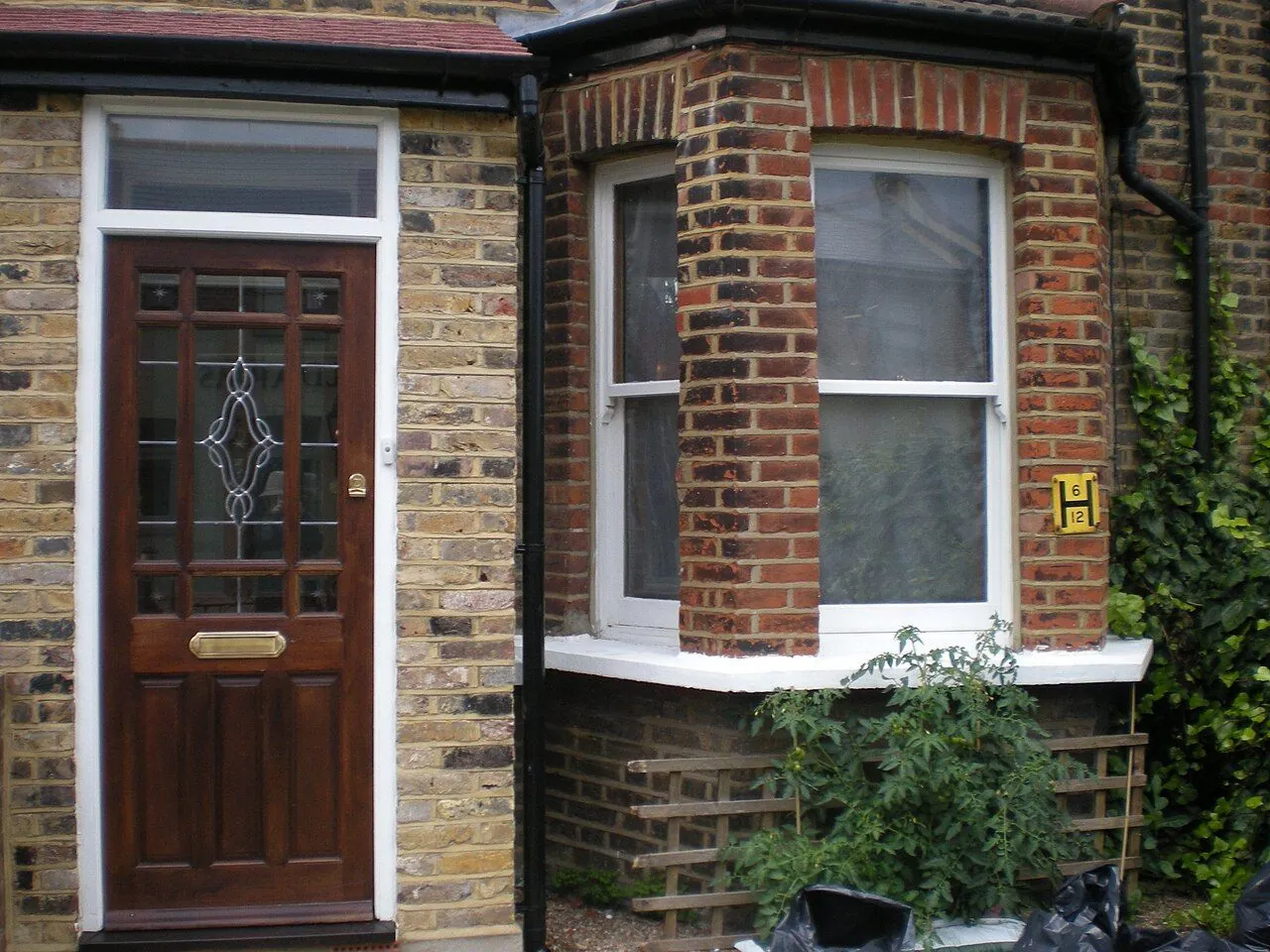
Photo: I.M.S via Wikimedia Commons, CC BY-SA 3.0
If a trader sells you goods or services away from their normal business premises, at your home, on the phone or online, you almost always have 14 days to change your mind and cancel, and you do not need to give a reason.
The 14-day right to cancel
For goods bought this way, the 14 days run from the day the goods reach you, or reach someone you have named to take delivery for you. For services, including home improvement work agreed at your door, the 14 days start on the day you enter into the contract, whether that agreement was made in writing or simply by word of mouth. A trader calling round to give you a quotation does not, on its own, put you into a contract or start the clock.
Fourteen days is the minimum cooling-off period a trader must allow. It cannot be shortened, though a trader can choose to give you longer.
What the trader must give you
Before you agree to buy, a trader visiting your home must tell you about your right to cancel and provide a cancellation form. You do not have to use the trader's form; a clear letter, email or spoken statement that you are cancelling is enough. The trader must also give you written details of the goods or services and the price.
If a trader does not tell you about your right to cancel, you can still cancel at any time in the next 12 months. If they do tell you at some point during that year, the ordinary 14-day period then runs from the day they told you. Keep every document a trader gives you: if there is ever a dispute about when your cooling-off period started, it is the trader who has to show when, and whether, you were told.
Early work, cold calling and reporting
A trader should not start work during the 14 days unless you expressly ask them to, ideally in writing. If you do ask for work to begin early and then change your mind, you may have to pay a proportion of the price for whatever work has already been carried out; if a service is fully completed before you cancel, you lose the right to cancel that part of the contract.
Uninvited doorstep selling is closely linked to doorstep crime, and some local authorities and police forces run "no cold calling" schemes covering streets where residents have said they do not want unannounced sales calls. Whether or not you live in such an area, you can turn away an uninvited caller, and you can report a pushy, evasive or suspicious trader to Trading Standards through the Citizens Advice consumer service.
The practical rule: work out whether your agreement was for goods or a service, keep the paperwork the trader is legally required to give you, and use the 14 days if you are not certain you want to go ahead.