Section 75 Claims
How Section 75 makes your credit card company jointly liable for a trader's failure, and where its protection does and does not reach.
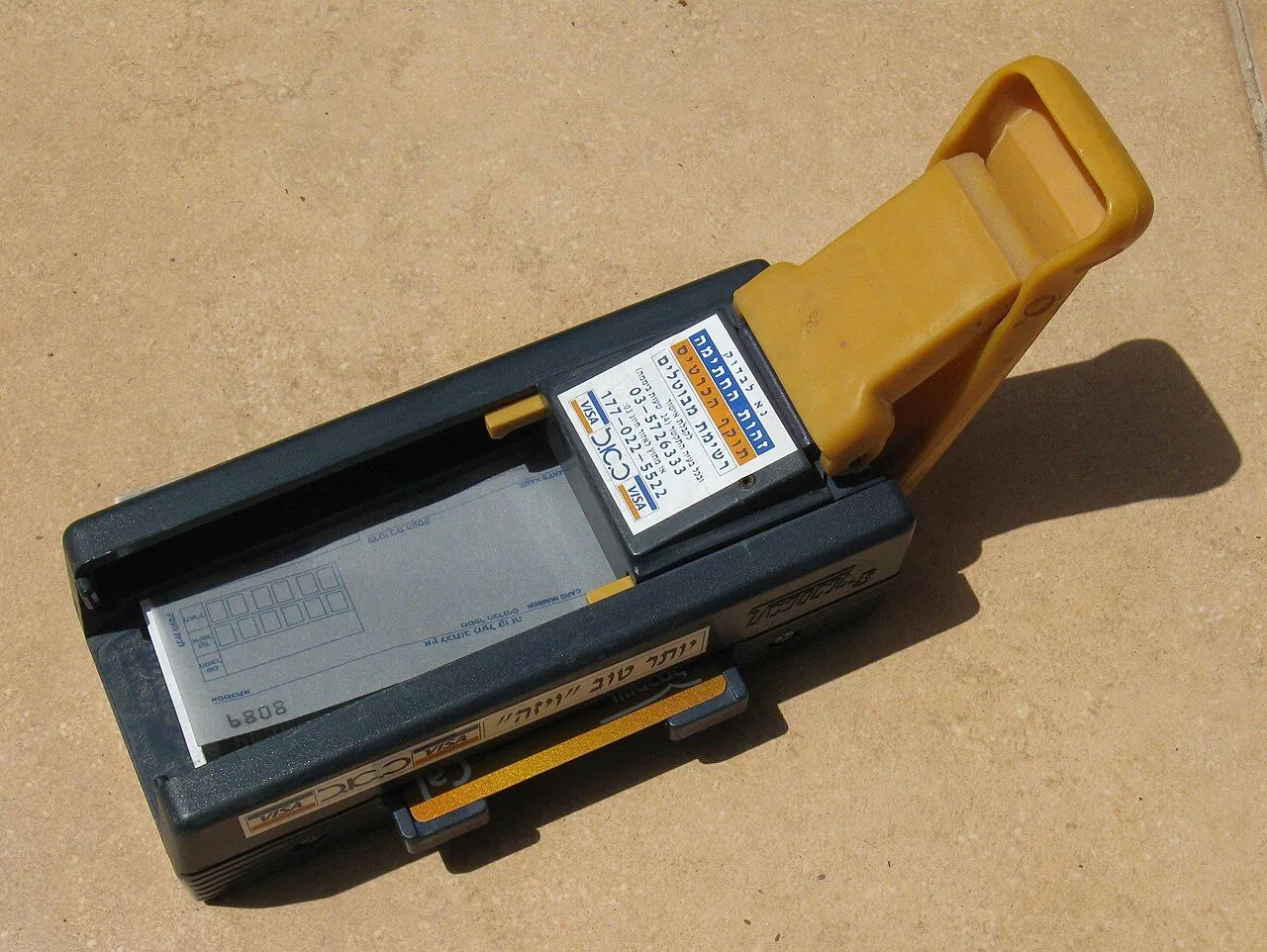
Photo: My another account via Wikimedia Commons, CC0
If you paid a trader by credit card and did not get what you paid for, Section 75 of the Consumer Credit Act 1974 lets you claim against the card issuer as well as the trader, because the two are jointly and severally liable for the same breach of contract or misrepresentation.
What it covers and the money limits
Section 75 applies where the single item bought cost more than £100 and no more than £30,000, and the limit is for one item, not the whole order. It still applies even if only part of the price was paid on the credit card, provided the credit agreement had the required link between you, the card company and the trader. It does not matter whether you already asked the trader for a refund and were turned down.
What is not covered
Section 75 does not apply to debit cards, charge cards, overdrafts or bank transfers. For a debit card, or a credit card purchase below £100, the card provider may still be able to help through chargeback, a separate process for disputing a card payment — ask the card issuer's customer service team what applies to your case.
If the card issuer refuses
If a card issuer rejects a Section 75 claim, the next step is to ask the Financial Ombudsman Service to look at the case; it can decide the claim independently, and if the outcome favours you but the card issuer still refuses to pay, court action remains an option. Section 75 has applied to regulated credit agreements since 1977, so it is a long-standing and well-tested protection rather than a recent addition to consumer law.
Sources checked