Quote Versus Estimate
When no price is fixed in advance, UK law says a trader can charge only a reasonable price, not whatever figure suits them once the job is finished.

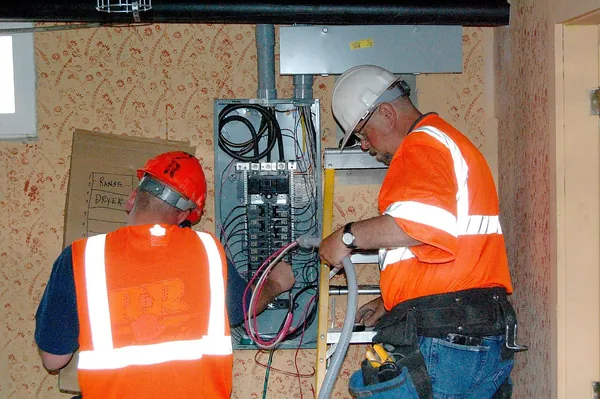
Photo: Lukeroberts via Wikimedia Commons, CC BY-SA 2.5
A quote is a fixed price a tradesperson has agreed to for defined work and should not be increased simply because their own costs go up; an estimate is only their best guess, so the final bill can come in higher.
The legal difference
A written quote should set out a fixed total price, a breakdown of labour and materials, how long the price is valid for, whether VAT is included, and the conditions under which the price could still change — for example, if extra work is agreed once the job is under way. An estimate is not a firm offer: it gives a rough idea of cost, so the final invoice can turn out higher or lower than the figure first given.
Where no price is fixed at all — no accepted quote, and nothing agreed about how the price will be worked out — section 51 of the Consumer Rights Act 2015 fills the gap: the contract is treated as including a term that the consumer need pay no more than a reasonable price for the work. What counts as reasonable is a question of fact in each case, not a set formula, and is generally judged against the value of what was actually supplied. The same Act separately requires services to be carried out with reasonable care and skill and within a reasonable time, whichever pricing method was used.
What to do if the final bill is a shock
If a price was fixed by an accepted quote, the trader should not simply charge more once the job is done because it took longer or cost more than they expected, unless the increase reflects work genuinely agreed on top of the original specification. If the job was priced as an estimate, or no price was fixed at all, and the final bill looks unreasonable, ask for an itemised breakdown and compare it against the scope of work actually agreed; a bill that goes well beyond that scope can be challenged as more than a reasonable price under section 51.
Keep any written quote, estimate, and emails or texts about price changes, since these are the evidence used to show what was agreed and whether extra charges were justified. If a trader will not resolve the dispute directly, the Citizens Advice consumer service can advise on next steps, including reporting a trader to Trading Standards or pursuing a claim for money owed through the small claims process.
The practical rule is straightforward: get a written quote wherever possible, not just an estimate, because a fixed price agreed in advance is what protects against being asked to pay whatever a trader decides once the work is finished.