Bleeding a Radiator
Releasing trapped air with a radiator key takes minutes, but checking the boiler's pressure gauge afterwards is the step people most often forget.
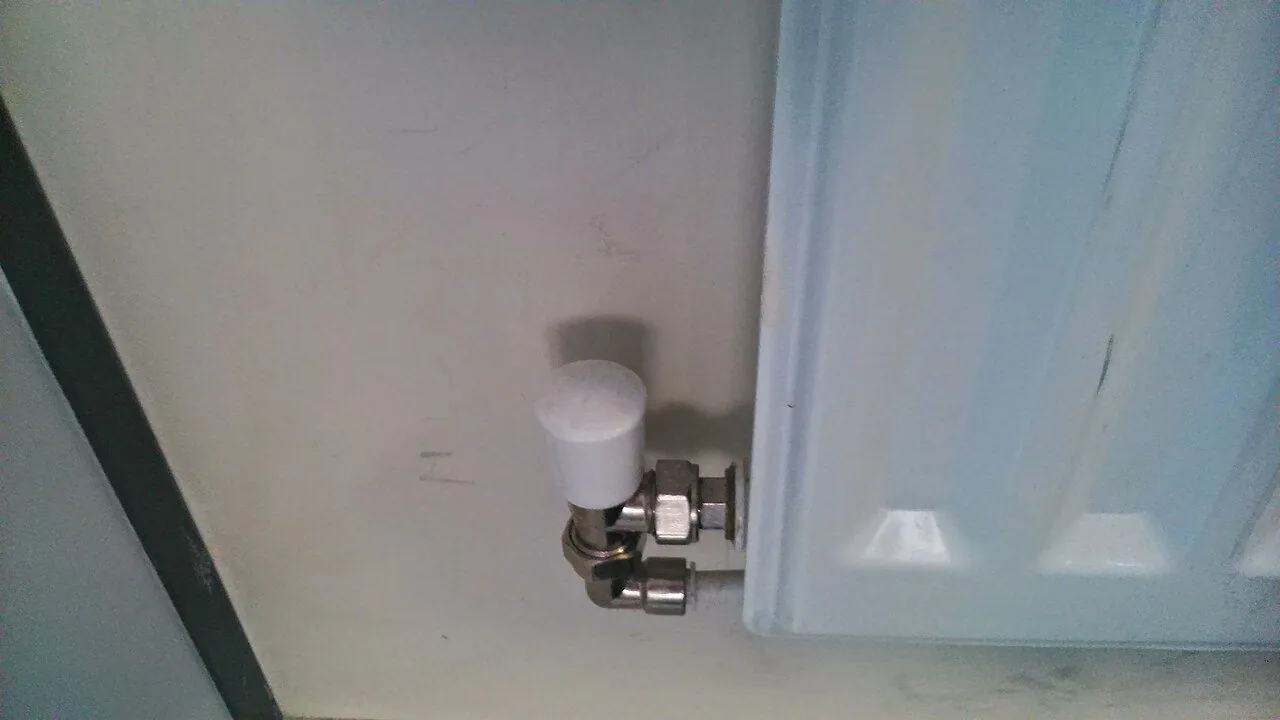
Photo: 247homerescue via Wikimedia Commons, CC0
A radiator that is cold at the top while warm at the bottom, or a heating system that gurgles as it warms up, usually means air is trapped inside — and bleeding it, to release that air through the bleed valve, is a short job most people can do themselves with the heating off.
Bleeding the radiator safely
Turn the heating off and let the radiators cool before starting, so the system is not under pressure and there is no risk of scalding. Lay an old towel under the valve and hold a small bowl or jug beneath it to catch any drips, then fit a radiator key onto the square bleed screw at the top of the radiator. Turn the key slowly anticlockwise, a quarter to half a turn; a hissing sound means trapped air is escaping. Keep the key turned until the hissing stops and water begins to flow out steadily, then turn it clockwise to close the valve. If several radiators need doing, work through them one at a time in the same way, then turn the heating back on and check each one is heating evenly from top to bottom.
If a radiator is still cold at the bottom after bleeding, that usually points to a build-up of sludge rather than trapped air. Checking the colour of the water that comes out during bleeding is a simple test: dark or discoloured water suggests sludge inside the system. That calls for a heating engineer, typically to carry out a power flush, rather than something repeated bleeding will fix.
Checking the boiler pressure afterwards
Bleeding radiators lets a little water out of the system, so the boiler's pressure gauge is worth checking once the job is done, especially on a combi boiler. Most systems use a filling loop — a short flexible pipe linking the cold mains to the heating system, with a tap at each end — to top the pressure back up: open both taps gradually and watch the gauge until the needle sits back in the recommended range, then close both taps again. Worcester Bosch, for example, states its boilers should read between 1 and 1.5 bar when the system is cold; other makes vary, so check the figure given in the boiler's own manual.
Bleeding a radiator is routine maintenance, but a system that needs bleeding often, or one radiator that will not come right, is usually a sign of a fault worth having looked at by a heating engineer rather than something to keep working around.
Sources checked
- energysavingtrust.org.uk/energy-efficient-diy-projects
- www.worcester-bosch.co.uk/support/troubleshooting/faqs/all-faqs/how-to-bleed-a-radiator
- www.worcester-bosch.co.uk/radiator-cold-at-the-bottom-possible-causes-and-solutions
- www.worcester-bosch.co.uk/support/troubleshooting/faqs/all-faqs/how-often-should-i-need-to-top-up-the-pressure-in-the-heating-system