Party Wall Agreements
Work on or near a wall shared with a neighbour in England and Wales runs on a formal notice-and-surveyor process, not on a neighbourly chat.

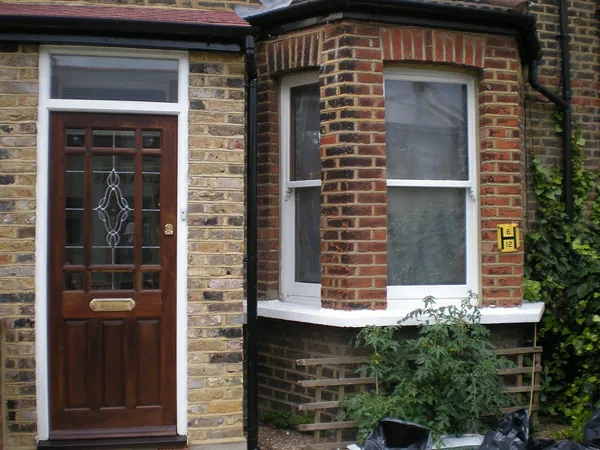
Photo: Mutney via Wikimedia Commons, CC BY 4.0
In England and Wales, building work on, or close to, a wall you share with a neighbour is governed by the Party Wall etc. Act 1996, which requires written notice before work starts, not just a friendly conversation.
What the Act covers
The Act, in force since 1 July 1997, applies only in England and Wales. It covers a "party wall" — a wall standing on the land of two owners, or a wall built by one owner that a neighbour later builds against — and a "party fence wall", a masonry wall (not a hedge or timber fence) standing astride a boundary. Covered work includes cutting into, underpinning, raising or otherwise altering an existing party wall or party fence wall, building a new wall on the boundary line, and excavating within 3 metres of a neighbouring building where the dig goes deeper than its foundations, or within 6 metres where it is deeper still and at a specified angle from those foundations.
Serving notice and dealing with a neighbour's response
Give at least two months' written notice before starting work on an existing party wall or structure, and at least one month's notice before building a new wall on the boundary line or before excavation work covered by the Act. You can talk to your neighbour informally first, but any agreement should still be put in writing.
A neighbour who receives notice can consent to it in writing, in which case no further paperwork is usually needed. If they formally object, or simply do not reply within 14 days, they are treated as having dissented, and a dispute is deemed to exist even though no argument has taken place. At that point, both sides appoint a surveyor — either one acting for both of you ("agreed surveyor"), or one each, who then agree a joint decision; if a neighbour does not appoint their own surveyor within 10 days of being asked, you can appoint one for them. The surveyor, or surveyors, produce a "party wall award" recording what work is authorised, any conditions, and access arrangements. The owner doing the work normally pays the reasonable fees of any surveyor involved, including the neighbour's.
If notice is not served
There is no fixed penalty for skipping notice, but a neighbour who was not given notice can apply to the county court for an injunction to halt the work, and you lose the legal protections the Act would otherwise give, including the statutory right to enter the neighbour's land to carry out the job. Courts have confirmed that where no notice was served, the Act's own dispute-resolution machinery, including appointing surveyors, cannot be used to put things right after the event.
The practical takeaway: work out early whether your project falls within the Act, serve the right notice with the right amount of warning, and use the surveyor and award process if your neighbour does not simply agree to the work in writing.