Electrical Certificates Explained
An EICR checks the safety of existing wiring, while an Electrical Installation Certificate proves that specific new work meets Building Regulations.
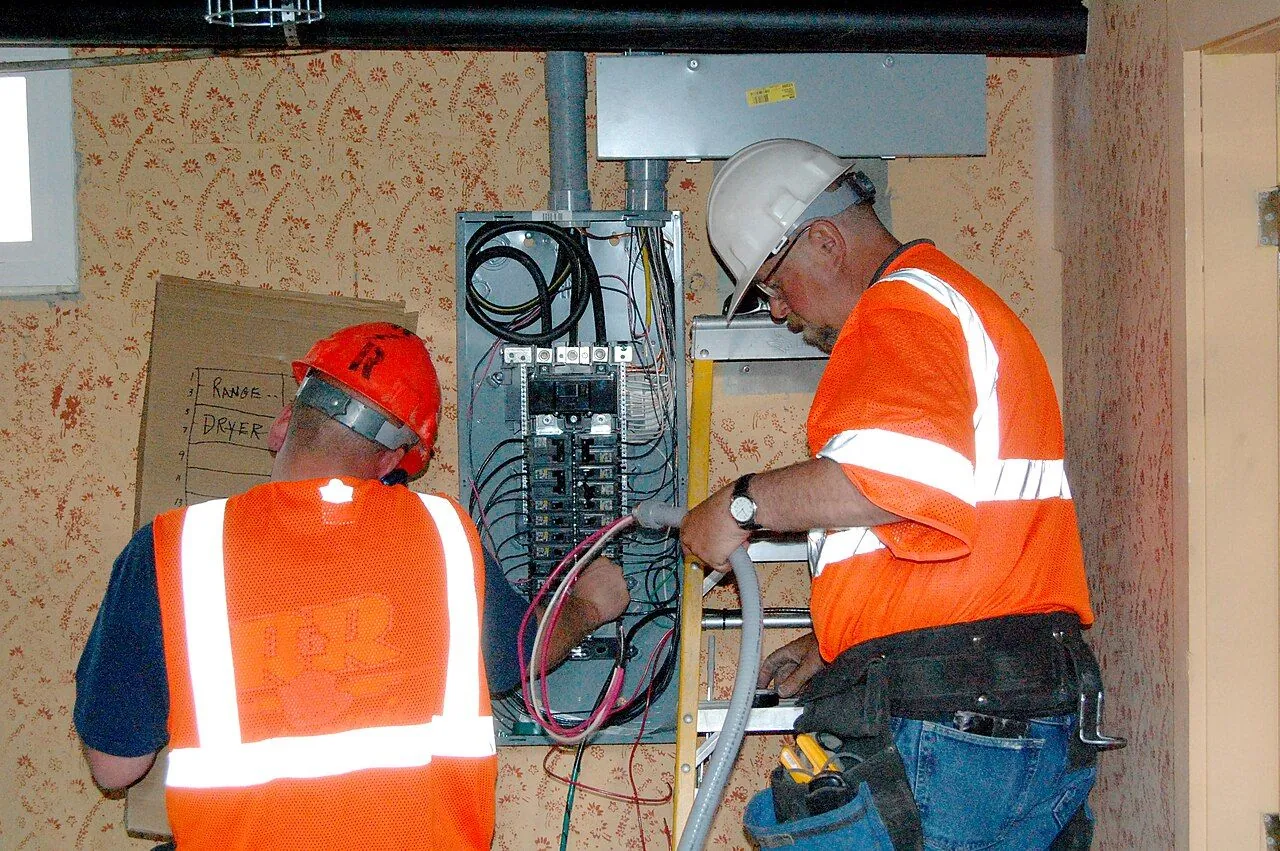
Photo: U.S. Fish & Wildlife Service via Wikimedia Commons, CC BY 2.0
An Electrical Installation Certificate or Minor Works Certificate proves that a specific piece of electrical work was done safely and to Building Regulations standard; an Electrical Installation Condition Report (EICR) is a periodic check-up on the whole existing installation, and the two are not interchangeable.
Two different kinds of paperwork
Under Part P of the Building Regulations for England and Wales, notifiable electrical work — a new circuit, a new consumer unit, or work in a location such as a bathroom or garden — must either be notified to building control or carried out and self-certified by an electrician registered with a government-authorised competent person scheme, such as NICEIC or NAPIT. A registered installer issues an Electrical Installation Certificate for a new circuit or installation, or a shorter Minor Electrical Installation Works Certificate for an addition or alteration that does not add a new circuit; either way, the certificate covers only the specific work carried out, not the rest of the property's wiring.
An EICR is a different document: an electrician inspects and tests the existing fixed wiring, sockets, switches and consumer unit, and records any faults using the codes C1 (danger present), C2 (potentially dangerous), C3 (improvement recommended) or FI (further investigation required without delay). A report with any C1, C2 or FI finding is classed unsatisfactory; C3 observations alone do not stop a report being satisfactory, though the improvement is still worth acting on.
What landlords in England must do
Private landlords in England must have the electrical installation inspected and tested by a qualified person at least every five years, or sooner if the previous report specifies an earlier date, with the first check due before a new tenancy starts. A copy of the report must go to the tenant, and to a prospective tenant before they move in; if the report calls for remedial or further investigative work, the landlord must have it carried out within 28 days, or any shorter period the report sets, and then give written confirmation to the tenant and, if asked, the local authority. These duties apply to private rented homes in England; landlords elsewhere in the UK and in the social rented sector are not covered by the same 2020 regulations, though separate safety duties still apply.
Checking the electrician and what buyers should ask for
Before any notifiable work starts, check that the electrician is currently registered with a competent person scheme — schemes such as NICEIC and NAPIT keep their own searchable registers, and being registered means the installer can self-certify work against the Building Regulations without a separate building control inspection. After the job, ask for the Electrical Installation Certificate or Minor Works Certificate for that specific piece of work, since it is the proof the job meets the required standard.
An EICR is not a legal requirement when selling an owner-occupied home, unlike in the private rented sector, but buyers, solicitors and mortgage lenders routinely ask for a recent one anyway, and a missing or old report can hold up a sale. A buyer is entitled to ask the seller for any EICR or electrical certificates already held; where none exists, commissioning an independent EICR before completion gives an up-to-date picture of the wiring's condition.
Keeping the right paperwork for its purpose is the practical rule: a Minor Works Certificate or Electrical Installation Certificate for any new or altered circuit, and a current EICR for the condition of the installation as a whole.
Sources checked
- www.gov.uk/government/publications/electrical-safety-standards-in-the-private-and-social-rented-sectors-guidance/electrical-safety-standards-in-the-private-and-social-rented-sectors-guidance
- www.legislation.gov.uk/uksi/2020/312/contents/made
- www.gov.uk/guidance/competent-person-scheme-current-schemes-and-how-schemes-are-authorised
- www.gov.uk/government/publications/electrical-safety-standards-in-the-private-rented-sector-guidance-for-landlords-tenants-and-local-authorities/guide-for-landlords-electrical-safety-standards-in-the-private-rented-sector