Finding a Reliable Builder
Checked references, a verified company or scheme membership, and a written contract do more to prevent a bad job than anything agreed on a handshake.
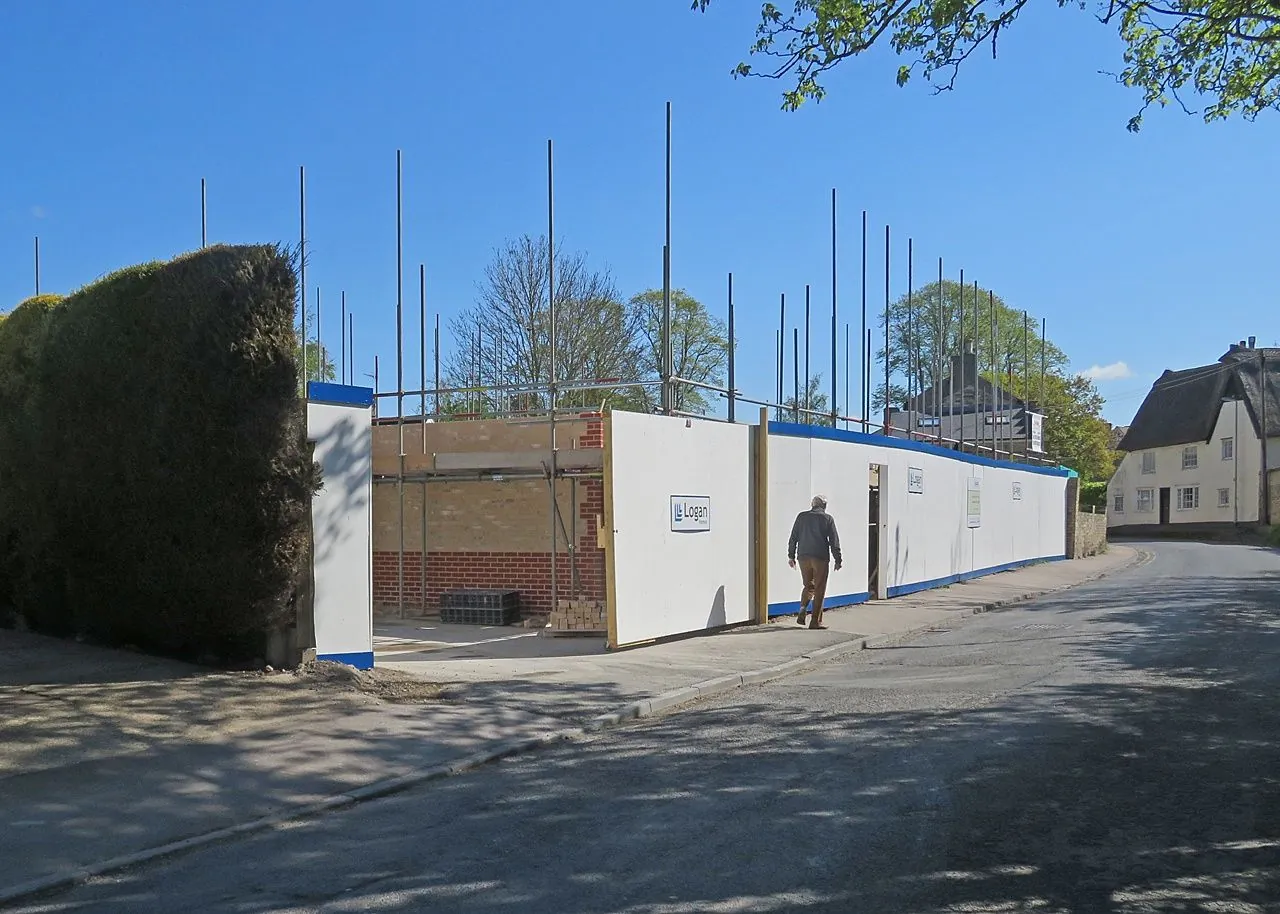
Photo: John Sutton via Wikimedia Commons, CC BY-SA 2.0
Check a builder's track record and paperwork before signing anything: get recommendations, see finished work in person, verify any company or scheme membership at source, and put the price and scope in writing.
Checking the business and its claims
Ask for two or three examples of recent, similar jobs and the contact details of those customers, then get in touch directly rather than relying on written references, which are not always genuine. A trader who refuses to give references, or will not say where past work was done, is a warning sign worth taking seriously.
If the builder trades as a limited company, its records are free to search on Companies House's Find and update company information service, which shows directors, filing history and any current disqualifications. Membership badges such as TrustMark — the only government-endorsed quality scheme for work carried out in and around the home — should be checked on the scheme's own register rather than taken on trust from a website logo or letterhead.
Getting the price and contract right
Get written quotes from at least three traders for the same specification. A quote is a fixed price the trader has agreed to and should not raise simply because their own costs have gone up, while an estimate is only a rough guess and the final bill can come in higher. A written contract does not need to be in legal language, but it should set out the work, the price, start and finish dates, who supplies materials and clears rubbish, who arranges any Building Regulations sign-off, and how and when payments fall due.
Pay by debit or credit card where possible, since a card payment can bring extra protection if something goes wrong. Agree to pay in stages as work is completed rather than a large sum upfront, so problems can be sorted out before the final payment is made; any deposit should be modest, and always get a receipt for it.
Warning signs and what the law gives you
Be wary of a trader who will only give a verbal price, wants cash only or the full amount before starting, has no landline number or verifiable business address, pressures for an on-the-spot decision, or will not show proof of insurance.
Whatever is agreed, the Consumer Rights Act 2015 sets minimum standards for building work: it must be carried out with reasonable care and skill, within a reasonable time, and — if no price was fixed in advance — for no more than a reasonable price. If work falls short, the main remedies are for the trader to put it right within a reasonable time, or a reduction in price, including a refund of anything already paid above the reduced amount; an agreed refund must be paid within 14 days. The Citizens Advice consumer service can advise on next steps and pass reports of rogue trading to Trading Standards.
The safest route to a good job is choosing carefully before work starts: checked references, a checked company or scheme membership, and a written quote and contract leave far less room for a dispute later.
Sources checked