Saving a Local Pub
Listing a pub as an Asset of Community Value buys local people time and first refusal on a sale, but the owner still cannot be forced to sell.
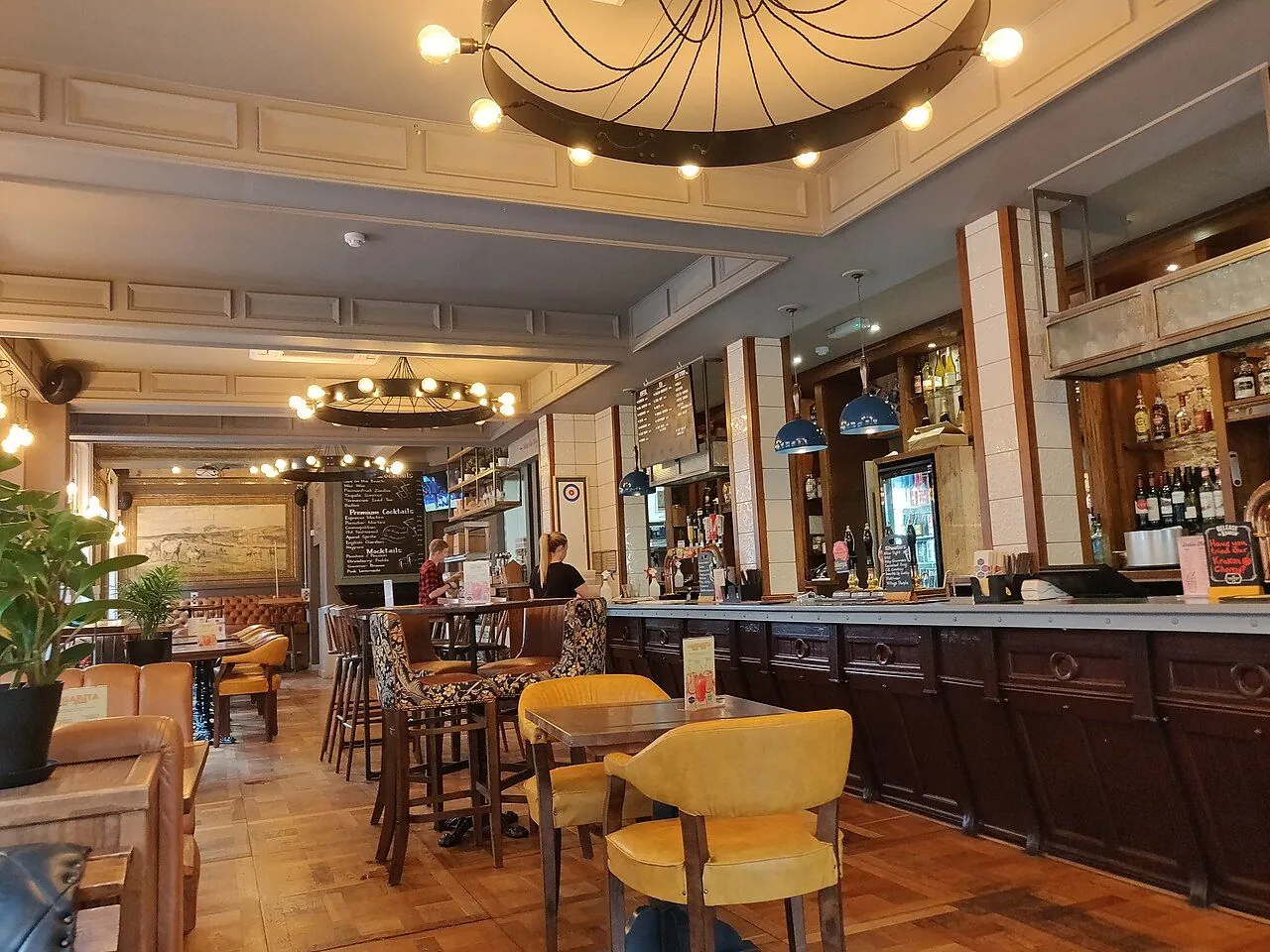
Photo: Tim Sheerman-Chase via Wikimedia Commons, CC BY 2.0
Listing a much-loved pub as an Asset of Community Value (ACV) under the Localism Act 2011 buys a community time, and a chance to bid, if the owner decides to sell. It does not force a sale, and — since a separate planning change in 2017 — it is no longer what stops a pub being knocked down or turned into flats, because that protection now covers every pub in England.
What listing actually does
In England, a pub can be nominated for the local authority's list of assets of community value by a parish or town council, a neighbourhood forum, or a not-for-profit voluntary or community group with a genuine local connection to the area. The council decides whether the pub furthers the social wellbeing or social interests of the local community and, if so, adds it to a register that must be free for anyone to inspect. Listing does not force the owner to sell.
If a listed pub's owner does then decide to sell, an interim moratorium of six weeks begins, during which a local community group can ask to be treated as a potential bidder. If one does, a full moratorium of six months follows, giving the group time to raise funds and put together an offer; the owner can keep marketing the pub and talking to other buyers during this period but cannot exchange contracts with anyone except the community group. Once the full moratorium ends, the owner is free to sell to whoever they choose, at whatever price they choose, and a further 18-month protected period follows before another moratorium can be triggered on that pub.
Planning protection and community ownership
Since 23 May 2017, permitted development rights allowing a change of use away from a pub, or demolition, have been removed for every pub in England, not only those listed as an Asset of Community Value; anyone wanting to convert or demolish a pub now needs full planning permission, and a local authority can treat an ACV listing as a material consideration when it decides that application. Community groups looking to buy and run a pub themselves can turn to the Plunkett Foundation, which supports community share offers and other local fundraising as part of setting up a community-owned pub.
Government figures have long shown that, among the various buildings and spaces communities can list, pubs are nominated more often than almost anything else. But an ACV listing is a process tool, not a rescue plan: turning a moratorium into a saved pub still needs organisers, funding and a workable business plan behind it.