Feed-in Tariffs: Angel or Demon?
The feed-in tariffs started on 1 April 2010. Who really footed the bill, and did small wind and solar make sense in towns?
Editor’s note. Published on 1 April 2010, the day the scheme opened. The Feed-in Tariff closed to new applicants on 31 March 2019. For how home generators are paid today, see the Smart Export Guarantee explained.
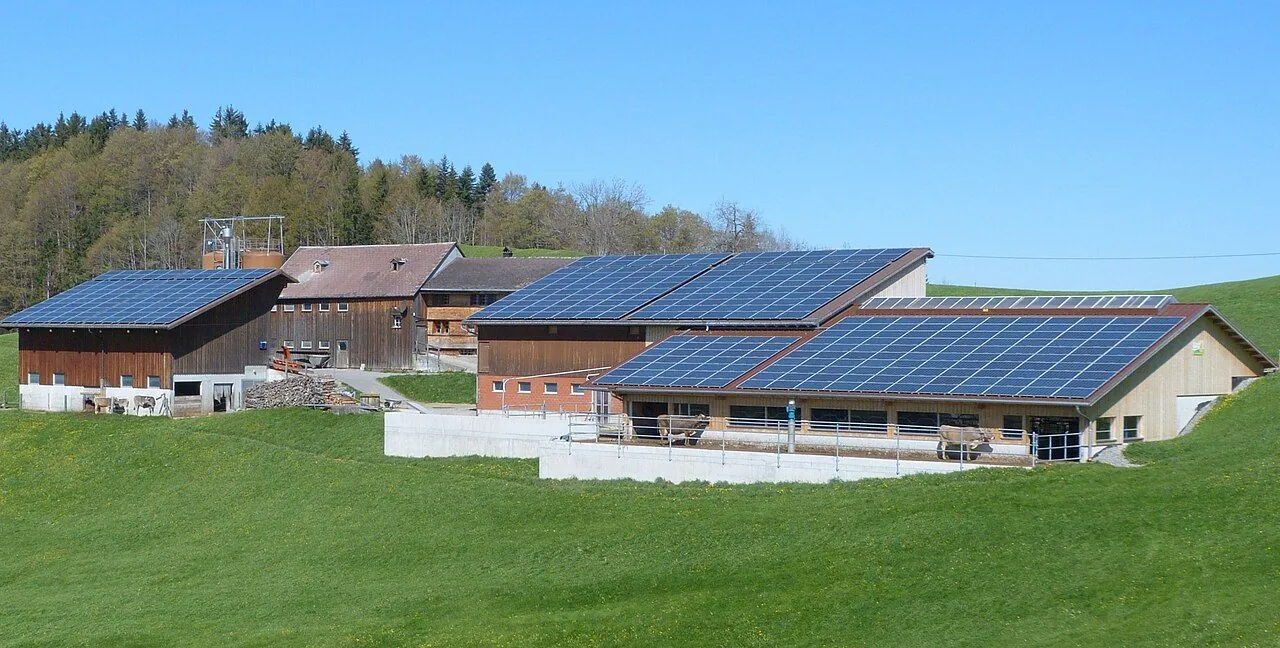
Photo: GabrielleMerk via Wikimedia Commons, CC BY-SA 4.0
The new feed-in tariffs kick in today, 1 April 2010, but are they worth it? Who really foots the bill? A Radio 4 programme examined the issue and showed that it isn't as straightforward as it might at first seem.
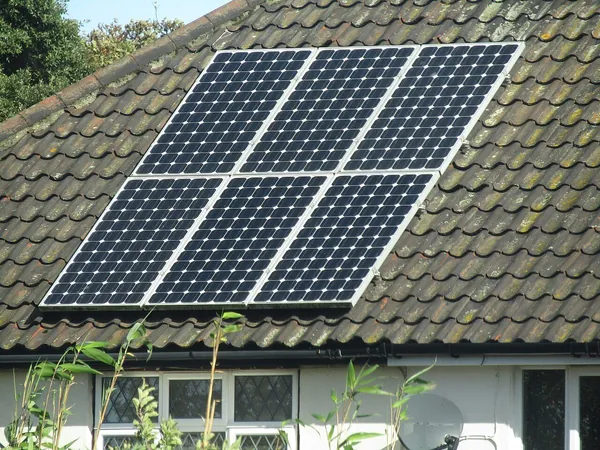
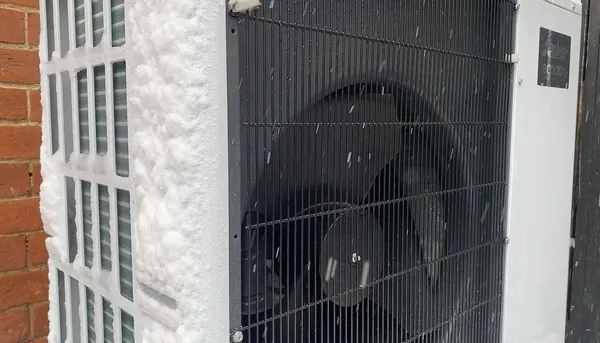
Feed-in tariffs, or the clean energy cashback, encourage people to generate energy at home. You are paid for the energy you produce, both what you use and any excess you send back to the grid. The most common technologies are solar panels and wind turbines, and the aim is to help the UK reach its renewable energy targets.
Let's talk money
A former head of the Renewable Energy Association estimated that an outlay of £15,000 to £30,000 on the technologies is typical, and that for the first time "people will actually get a sensible financial return for their investment". The rates of payback vary widely.
Critics, among them the Guardian columnist George Monbiot, argued that the technology is aimed at those with capital to spend. The tariff is levied against all consumers, including the poorest: bill payers face, on average, about £6.50 a year added to their bills.
Farms, towns and the ethics of it
Farmers, with more well-placed land and buildings than most, are set to benefit. Many have south-facing roofs ideal for solar panels, poultry units can be powered by small wind turbines and solar thermal can heat water for dairies.
Most people in the UK live in towns, though, and for the tariffs to succeed they must work in urban areas too. With unreliable wind speeds and smaller, less ideally positioned roofs, it is a gamble how much good most people can do for themselves or the environment.
For some, the decision is largely an ethical one. Monbiot argued that where wind speeds are low the money would do more for carbon cuts if spent on insulating homes or on large wind farms in the windiest places. The Energy Saving Trust pointed to social tariffs and housing association schemes that help less well-off households take part.