EPC Ratings Explained
Why the A to G rating matters for buyers, tenants and landlords, how long a certificate lasts, and the legal minimum that applies to rented homes.

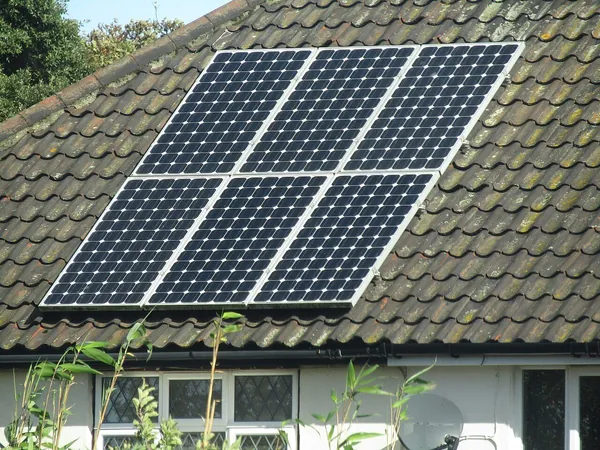
Photo: Peter O'Connor aka anemoneprojectors via Wikimedia Commons, CC BY-SA 2.0
An Energy Performance Certificate (EPC) rates a home's energy efficiency on a scale from A, the most efficient, to G, the least efficient, based on likely running costs and carbon emissions. It also lists recommendations for improving the rating, and it matters most sharply for private landlords, who face a legal minimum band.
What an EPC shows and when you need one
The A to G bands run from a score of 92 or more for band A down to 1–20 for band G. An EPC is required when a property is sold, let or newly built, is produced by an accredited domestic energy assessor, and is valid for 10 years or until a newer certificate is produced for the same building. As well as the current band, it includes a recommendations section setting out ways to improve efficiency and reduce running costs.
Finding a certificate
Any property's existing EPC can be looked up free of charge on the official government register, Find an Energy Certificate, without needing an account. If a property has no valid certificate, a new one must be commissioned before marketing it for sale or letting.
The rented-property minimum
For privately rented homes in England and Wales, the minimum energy efficiency standard has applied since 1 April 2020: a landlord cannot let or continue letting a property rated below band E unless a valid exemption is registered. Landlords should check a rental property's current EPC and use the recommendations section to plan any work needed to keep it lettable, and to identify improvements likely to raise the score before a sale or new tenancy.